
Modular Fibreglass Kiosks: Why Shape and Footprint Decide the Site
A kiosk is approved or refused on its footprint before anyone looks at the branding. Fibreglass lets the shell take the shape the site needs — a box, a curve, or the product itself.
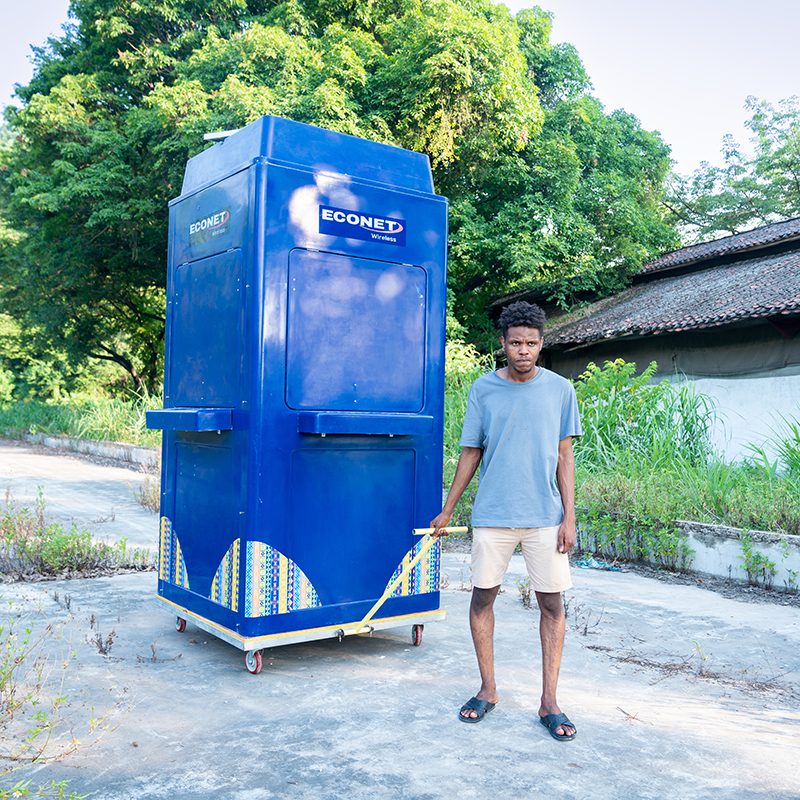
What fibreglass actually changes
A sheet-metal kiosk is built from flat panels joined at right angles, and it looks like it. Fibreglass — FRP — is moulded, so the shell can carry compound curves, radii and shapes that would be expensive or impossible in folded steel. That is the practical difference: not a better material, a different set of shapes.
It also changes how the unit is delivered. An FRP kiosk is built from lightweight panels that assemble on site, which is why it can reach a forecourt, a market square or a rooftop without a crane and without a factory-sized door.
Shape is a brand asset, not decoration
When the shell can be moulded, the kiosk can be the product. Our range includes a coffee-cup shaped kiosk alongside the conventional box formats — the shape does the recognition work that a logo alone cannot do at twenty metres, and it makes the unit photographable, which matters more than it sounds.
The trade-off is discipline. Every departure from a box costs moulding work and reduces the interior volume you can actually use. The shapes worth paying for are the ones a customer recognises before reading anything.
Footprint questions that decide approval
Most kiosk projects stall on the site, not on the factory. These are the questions we ask before a drawing is issued:
- What is the exact clear area, and does the site owner measure it including the door swing and the counter overhang?
- Is the ground level, paved and drained — or does the unit need a base?
- Is there power on site, and where does the cable enter without becoming a trip hazard?
- How many people work inside at once, and can two pass each other?
- Where is stock stored overnight, and does the unit need to be lockable as a whole?
- Which direction faces the customer at the busiest hour, and which face gets the sun?
Branding a moulded shell
On a fibreglass kiosk, branding usually happens in two layers: silk-screen printed graphics for the logo and the permanent identity, and applied vinyl or printed panels for campaign content that will change. Deciding which is which at the start keeps the cost of the second campaign low.
The printed logo also sets the quality bar for the shell. A moulded surface shows every imperfection in a way a flat panel does not, so the finish and the print have to be specified together rather than one after the other.
When a kiosk beats a cart
A cart is cheaper to move; a kiosk is cheaper to run in one place. Once a site is expected to trade for more than a season, the kiosk wins on lockable volume, weather protection and the ability to be staffed by two people without crowding.
The reverse is also true: if the location is unproven, or if the plan is to follow events and footfall, a kiosk is an anchor you will end up moving at cost. Test with a cart, commit with a kiosk — that sequence is usually cheaper than the other way round.
Designing a kiosk for a specific site?
Send a photo of the pitch and the clear dimensions. We will tell you which shell shape fits, what the panels can carry, and where the practical limits are.
Or email [email protected]. We reply within 24 hours on business days.